2026-07-03

2026-06-10
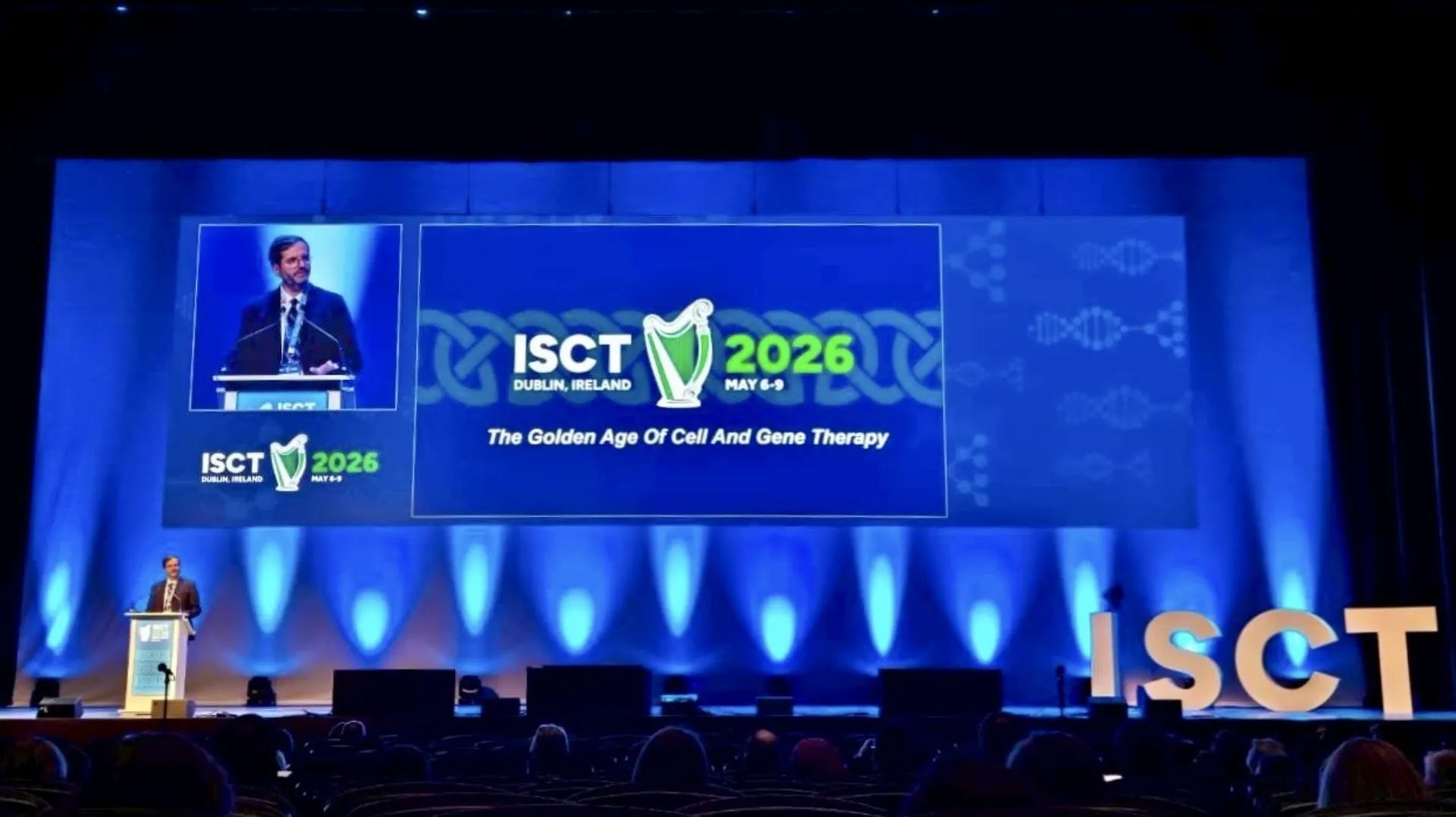
STEMCELL BioTech was invited to present two studies at the 2026 Annual Conference of the International Society for Cell & Gene Therapy (ISCT), highlighting TZX4 stem cell optimization technology. Both studies were simultaneously published in Cytotherapy and explore TZX4’s potential applications in Alzheimer’s and Parkinson’s disease. These achievements underscore STEMCELL BioTech’s continued R&D efforts in stem cells, exosomes, and neurodegenerative diseases, while reflecting growing recognition from the international scientific community.
What the TZX4 Stem Cell Optimization Technology Does
Stem cell research has long faced numerous challenges. During the expansion and culture process, stem cells may gradually lose their regenerative capacity, and can be affected by factors like aging, individual variability, and cellular senescence. This leads to insufficient cell yield, reduced functionality, and inconsistencies in quality.
The patented TZX4 Stem Cell Optimization Technology is designed to address these challenges by helping stem cells maintain greater stability, biological activity, and regenerative potential following in vitro expansion.
Research findings indicate that stem cells optimized using TZX4 demonstrate enhanced proliferative capacity. Protein expressions associated with cellular rejuvenation are significantly increased, suggesting that cells can maintain a state resembling that of younger, healthier cells.
It is observed that TZX4-optimized stem cells produce approximately ten times more exosomes than conventionally cultured stem cells. These exosomes carry increased levels of neuroregeneration-related miRNAs, which may support intercellular communication and contribute to the regulation of neuroprotective mechanisms.
TZX4 not only enhances stem cell activity but also improves the functional properties of both stem cells and exosomes. Through these complementary mechanisms, it may further expand the potential applications of stem cell-based approaches in neurodegenerative disease research while providing a more integrated, multi-modal biological effect.
TZX4 at a Glance
Research findings indicate that stem cells cultured using TZX4 demonstrate enhanced performance across multiple biological functions relevant to neuroregenerative research. By simultaneously optimizing both stem cell characteristics and exosome functionality, the technology exhibits an integrated, multi-mechanistic approach.
|
Key Feature |
Technical Performance |
|
Enhanced Stem Cell Proliferation |
Cell growth is significantly accelerated, achieving approximately a five-fold increase in cell number within four days of culture. |
|
Maintenance of Cellular Youthfulness |
Modulation of aging-associated genes reduces the biological age of cells by nearly five years, helping maintain a younger and healthier cellular phenotype. |
|
Increased Expression of Stemness-Related Genes |
Expression levels of stemness-associated genes, including NANOG and OCT4, increase by approximately 2.5-fold, supporting cells’ self-renewal capacity and regenerative potential. |
|
Enhanced Exosome Production |
Exosome secretion increases by approximately ten-fold, accompanied by elevated levels of neurotrophic factors and neuroregeneration-related miRNAs. |
|
Improved Anti-Inflammatory and Immunomodulatory Properties |
Expression of anti-inflammatory and anti-aging proteins is significantly increased, potentially contributing to the reduction of inflammatory responses and modulation of the immune microenvironment. |
|
Improvement of Key Pathological Markers Associated with Alzheimer’s and Parkinson’s Disease |
Improvements in pathological markers including amyloid-beta (Aβ), Tau, and α-Synuclein, alongside enhanced neuronal survival, neurite outgrowth, and maintenance of dopaminergic neuronal function. |
This summary is based on research findings related to the TZX4 Stem Cell Optimization Technology and two studies presented at ISCT 2026 utilizing neurodegenerative disease models.
Alzheimer’s Disease Research: Advancing Memory and Neuroprotection
Alzheimer’s disease is one of the most common neurodegenerative disorders. Patients typically experience progressive memory decline as an early symptom, followed by increasing forgetfulness, impaired spatial orientation, and slower cognitive responses. These changes may eventually interfere with daily living activities as the disease progresses. In recent years, neuroinflammation and the accumulation of amyloid-beta (Aβ) plaques have been widely recognized as key pathological features of Alzheimer’s disease.
Our study focused on mechanisms related to neuroprotection and memory function. The findings suggest that exosomes derived from TZX4-optimized stem cells may help reduce neuroinflammatory responses and decrease the accumulation of amyloid-beta associated with Alzheimer’s disease pathology.
In animal models of Alzheimer’s disease, treatment with TZX4-optimized stem cell-derived exosomes was associated with significant improvements in learning performance, memory-related behaviors, and spatial cognition.
TZX4 may enhance neuronal repair and neuroprotective functions, potentially helping to mitigate neurodegeneration-related changes. These findings provide new insights and directions for future Alzheimer’s disease research.
Parkinson’s Disease Research: Focus on Toxic Protein Clearance Mechanisms
Parkinson’s disease is another common neurodegenerative disorder, primarily associated with the progressive degeneration of dopamine-producing neurons in the brain and the accumulation of toxic proteins within neurons, leading to symptoms such as tremors, slowed movement, muscle rigidity, and impaired balance.
Researchers found that stem cells optimized using TZX4 enhanced autophagy in dopaminergic neurons. This process may help neurons metabolize and clear abnormal protein aggregates while improving their capacity for cellular repair and maintenance.
This suggests that beyond dopamine replacement, strategies aimed at supporting normal neuronal metabolism and repair mechanisms, as well as reducing the accumulation of toxic proteins, may represent an important future direction in Parkinson’s disease research.
Overcoming Individual Variability in Cell Therapy Through Innovative R&D Strategy for Precision Regenerative Medicine
The theme of 2026 ISCT Annual Meeting was “The Golden Age of Cell & Gene Therapy.” During the conference, international experts emphasized that one of the greatest challenges that stem cell therapies face in clinical practice is individual variability. Even when transplanted cells successfully engraft, therapeutic outcomes are still heavily influenced by multiple patient-specific factors, including age, disease background, immune microenvironment, and genetic characteristics. This challenge represents a critical bottleneck that the global regenerative medicine community is striving to overcome.
In response to this challenge, STEMCELL BioTech has positioned its R&D strategy around addressing the issue of individual variability. By integrating TZX4 with Traditional Chinese Medicine and precision genomic analysis, we aim to reduce the variability in treatment outcomes that has historically limited the consistency of cell-based therapies. This strategy not only directly aligns with emerging trends in regenerative medicine worldwide, but also has the potential to become a key driver in advancing next-generation clinical applications for neurodegenerative diseases.
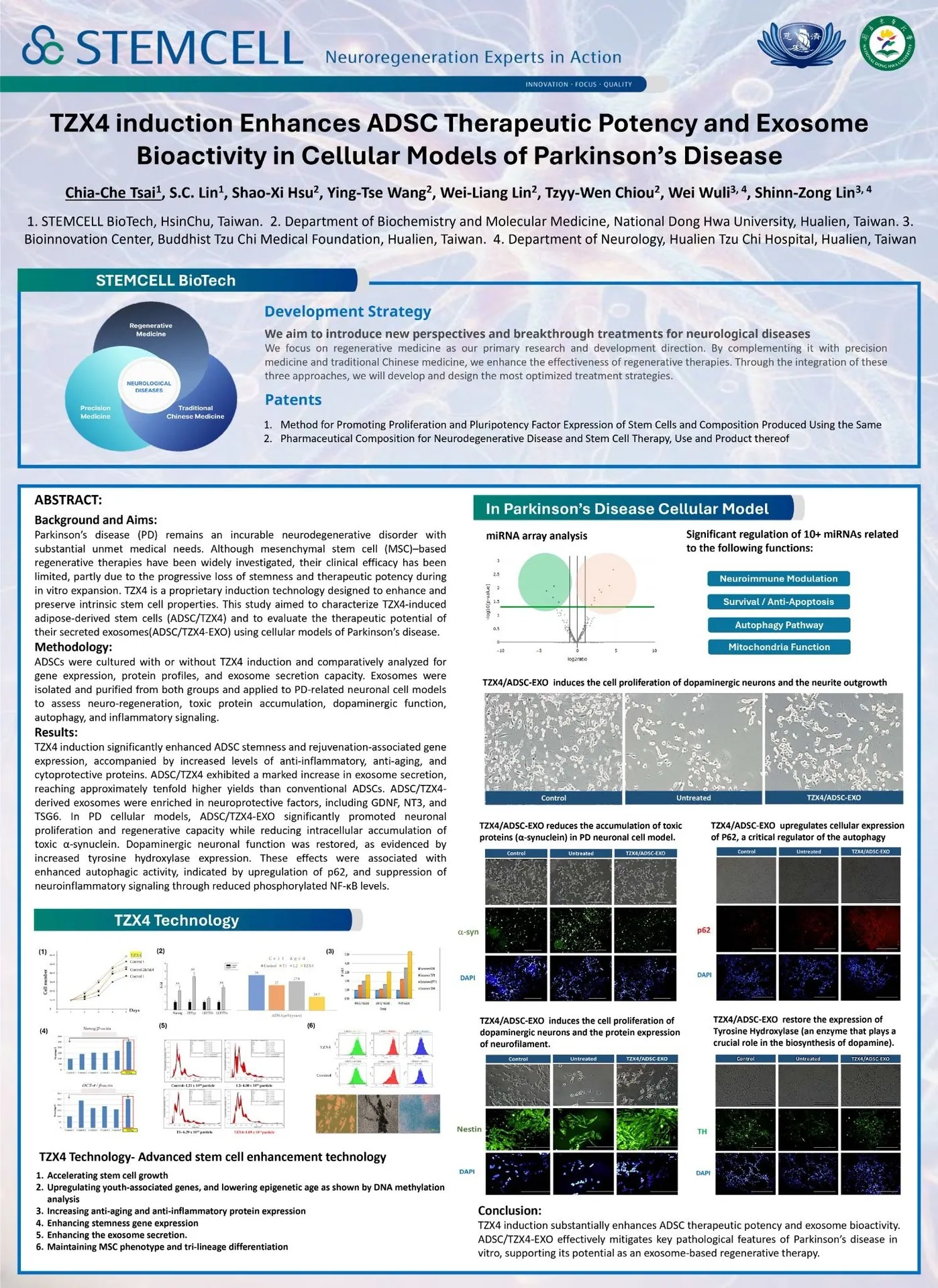
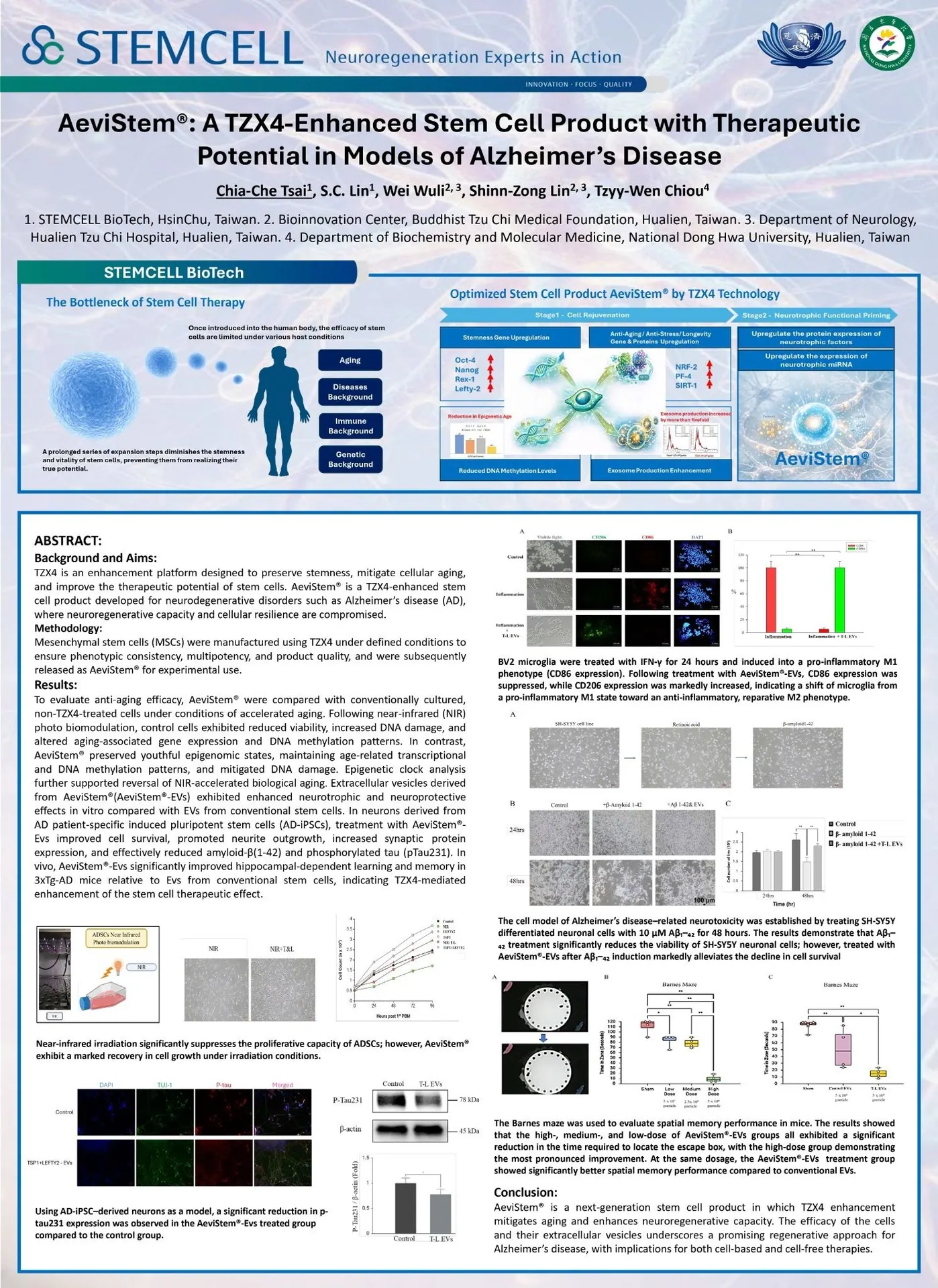
STEMCELL BioTech’s TZX4 Stem Cell Optimization Technology was published in the 2026 ISCT journal, highlighting its potential applications in Alzheimer’s disease and Parkinson’s disease.
Aligning with Global Trends: STEMCELL BioTech Advances Its Commitment to Innovation in Regenerative Medicine
As neurodegenerative disease therapies worldwide increasingly shift toward precision medicine and personalized treatment, STEMCELL BioTech will continue to deepen its research in stem cells, exosomes, and neural regeneration. We are committed to integrating our TZX4 stem cell optimization technology, genomic medicine, and East–West medical strategies to advance regenerative medicine towards greater precision, safety, and clinical applicability.
Presenting at ISCT 2026 not only demonstrates the innovative strength of Taiwan’s biotech industry in the field of neurodegenerative disease research, but also further strengthens academic and industrial collaboration with international partners. Looking ahead, STEMCELL BioTech will continue to pursue scientific innovation in regenerative medicine, opening up new possibilities for the treatment of global neurodegenerative diseases.
—----------------------------------------------------
Journal Article Information
Abstract:
Studies have shown that stem cells and their exosomes optimized through TZX4 technology exhibit reduced neuroinflammatory responses, decreased accumulation of amyloid-beta (Aβ), and improvements in learning ability and memory performance in Alzheimer’s disease research models. The study also indicates that TZX4 technology helps maintain the “youthful” state of stem cells while enhancing the bioactivity of exosomes and their neuroprotective functions, demonstrating strong potential for applications in neurodegenerative disease research.
Abstract:
Studies indicate that in Parkinson’s disease research models, stem cell-derived exosomes optimized through TZX4 technology have demonstrated enhanced autophagy, reduced accumulation of toxic proteins, and improved neuronal repair capacity. The research also found that TZX4 technology can increase stem cell proliferation rates, enhance exosome secretion capacity, and upregulate neuroprotective factor expression, highlighting its potential applications and promise in neurodegenerative disease research.
Press Contact
Press Contact: Chih-Lin Huang, Planning Department, STEMCELL BioTech
Email: [email protected]
Tel: +886-3-542-0767
Regulatory Notice
The content of this article is intended solely for the sharing of research findings and technological developments and should not be regarded as medical advice, diagnosis, or a basis for treatment. The research results mentioned herein are primarily derived from preclinical model studies, and actual therapeutic efficacy in humans as well as clinical applications still require further validation through additional research and review by relevant regulatory authorities.