2026-07-03

2025-07-11
As regenerative medicine advances, research teams around the world continue to explore the use of stem cells in neurodegenerative diseases. Founded in 2025, STEMCELL BioTech is focused on research related to neural regeneration. In collaboration with the team led by Dr. Shinn-Zong Lin of Hualien Tzu Chi Hospital, the company is exploring the integration of stem cell function optimization, precision medicine, and Traditional Chinese Medicine (TCM) science.
As population aging increases the demand for care for people with neurodegenerative diseases, STEMCELL BioTech aims to build on clinical needs by investing in stem cell research and technology development, while exploring how different research approaches might be integrated.

STEMCELL BioTech chose to focus on neural regenerative medicine in response to unmet medical needs and the pressing challenges of an aging society. By advancing stem cell technologies and bringing together a clinically oriented, interdisciplinary team, the company aims to develop meaningful approaches to neurodegenerative diseases.
“We focus on research related to neurodegenerative diseases because we see unmet medical needs, the care challenges associated with an aging society, and the continued development of regenerative medicine,” said Dr. Tsai Chia-Che, Deputy General Manager of the R&D and Manufacturing Center at STEMCELL BioTech. Neurodegenerative diseases can affect patients’ daily lives and place demands on family caregivers, making continued interdisciplinary research important.
He noted that Taiwan passed legislation related to regenerative medicine in 2024, reflecting the gradual development of the industry’s regulatory framework and prompting the team to continue following research and developments in the field. How relevant technologies may be applied, and which diseases they may be appropriate for, still needs to be evaluated in accordance with research findings and regulatory requirements.
Dr. Tsai said STEMCELL BioTech is collaborating with Dr. Shinn-Zong Lin’s team to study TZX4-related stem cell culture technology. The research includes observations of stem cell culture, growth, and pluripotency factor expression, as well as exosomes and neural cell models. These findings can help the team understand the direction of its technology research; they cannot currently be used to infer treatment effects in humans.
Another aspect of STEMCELL BioTech’s approach is that its core team and physician advisors bring different areas of expertise and place importance on clinical questions. “We don’t start with a technology and then look for a disease to apply it to. We start with the challenges associated with neurodegenerative diseases and discuss which research approaches are worth exploring further,” Dr. Tsai said.
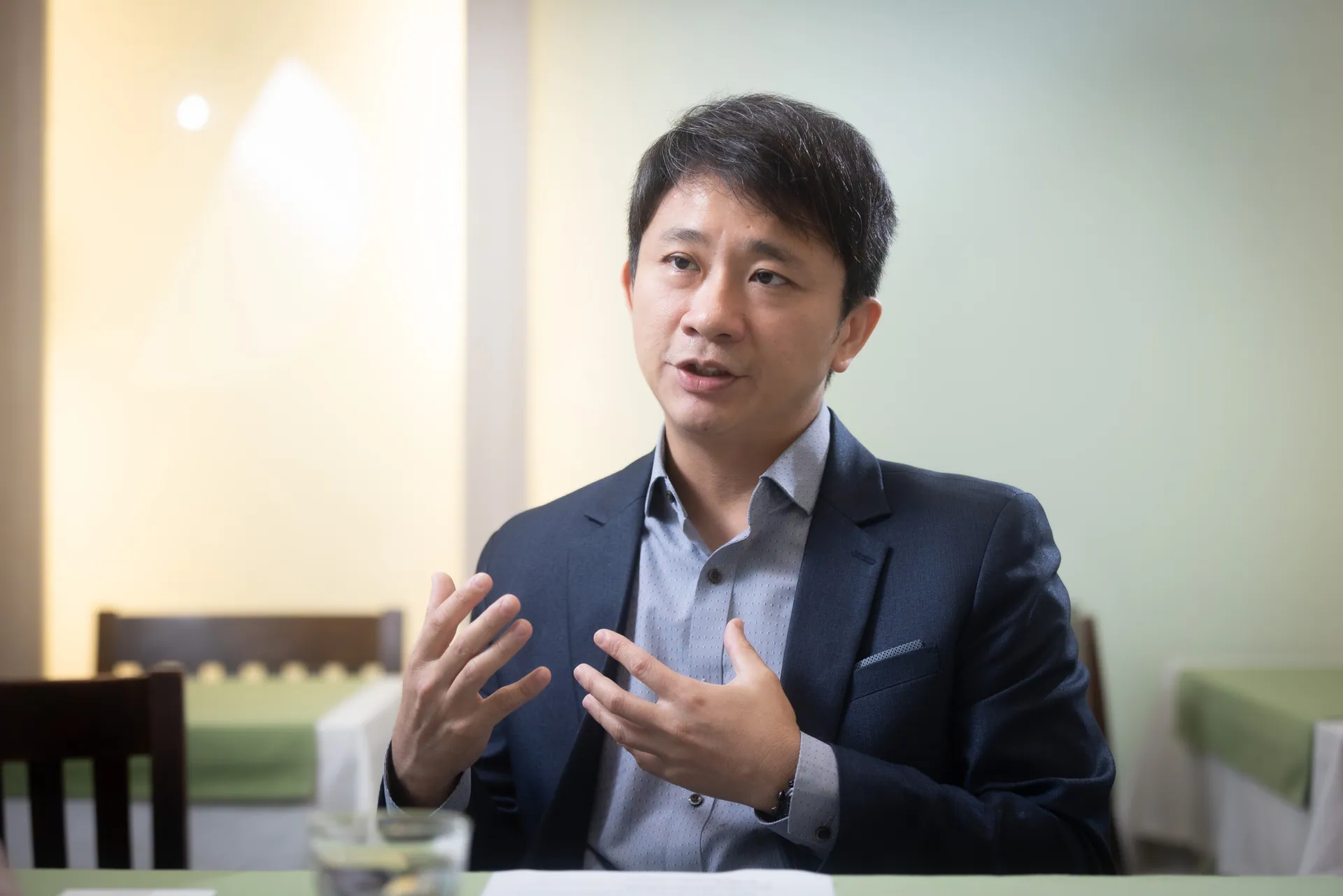
With an open-minded approach to innovation, STEMCELL BioTech is developing diverse, individualized research strategies for neural regeneration—pursuing a more challenging path with greater potential for the future.
STEMCELL BioTech began with stem cell regenerative medicine as a focus of its business development. It is also considering how precision medicine and TCM science might complement regenerative medicine research. The nervous system consists of many types of cells and complex networks, and neurodegenerative diseases involve a range of pathological factors. The team therefore believes that continued exploration of different research approaches may broaden understanding of these diseases and potential research strategies.
Dr. Tsai said precision medicine can help researchers study individual differences, including genetics, age, disease background, and health status. TCM science is another area of research interest for the team. The company hopes to better understand how these fields may connect with stem cell research; their effects and potential clinical applications require further study and validation.
“This is a path that requires sustained investment and validation. We hope to start with patients’ needs and gradually build research findings through interdisciplinary collaboration,” Dr. Tsai said. At the time, STEMCELL BioTech was also planning to expand international collaboration and its global presence while continuing to assess the company’s development direction.
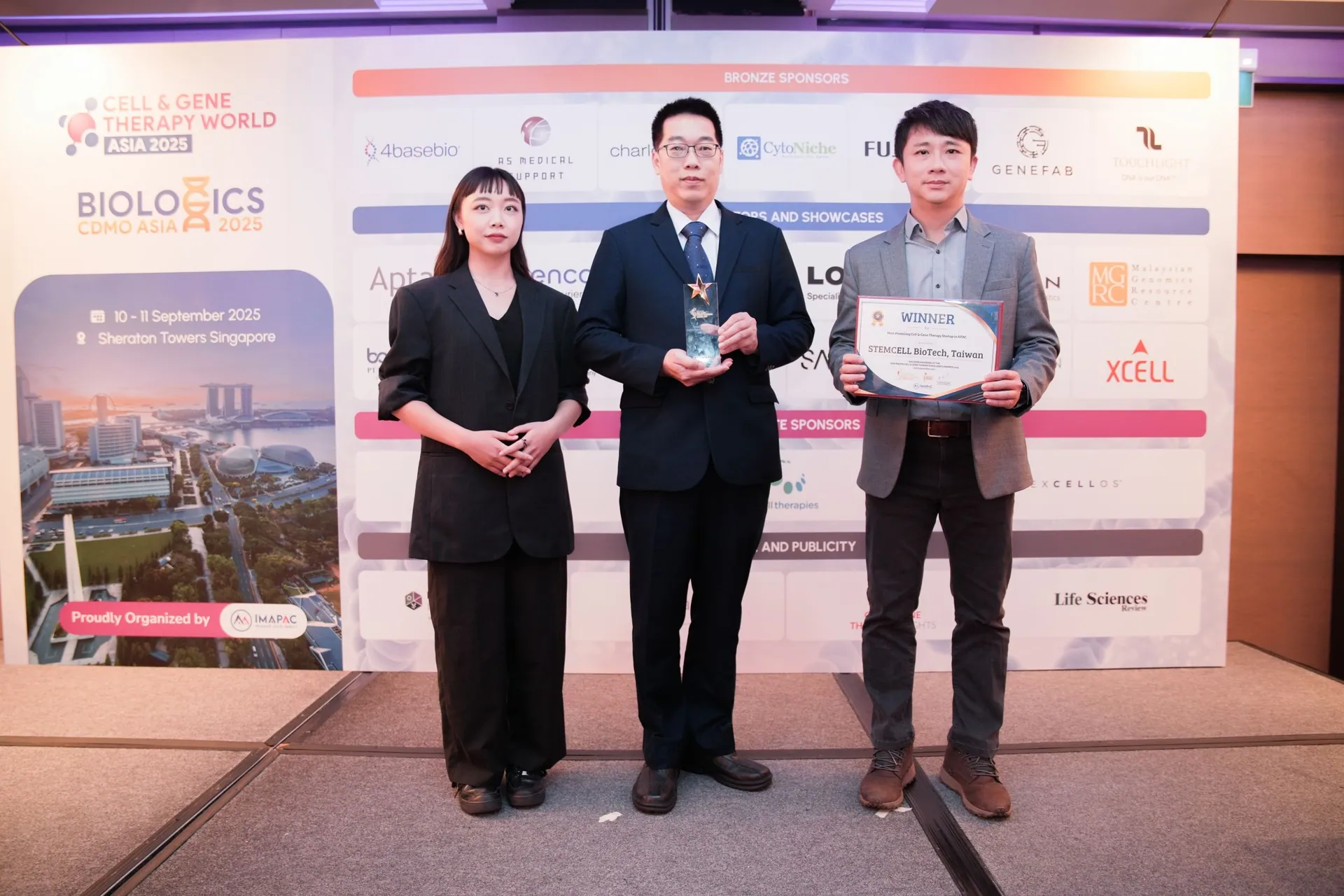
In 2025, STEMCELL BioTech received the “Most Promising Cell & Gene Therapy Startup in APAC” award at the Asia-Pacific Cell & Gene Therapy Excellence Awards, organized by IMAPAC in Singapore. The team attended the awards ceremony in Singapore on September 10, 2025.
For STEMCELL BioTech, the recognition reflected industry attention during the company’s development and encouraged the team to continue advancing research and international exchange. The award reflected the company’s development and market attention at that time; it did not mean that its research technology had been proven to have clinical treatment effects.
In December 2024, the U.S. Food and Drug Administration (FDA) approved Ryoncil, making it the first mesenchymal stromal cell therapy product approved by the FDA. Its indication is for steroid-refractory acute graft-versus-host disease in certain pediatric patients. This approval applies to a specific indication and set of conditions; it cannot be taken to mean that stem cell therapies are suitable for neurodegenerative diseases.
Dr. Tsai believes that regenerative medicine will continue to offer areas of research and technology development worth following. STEMCELL BioTech will continue to build on research into stem cell function optimization and explore opportunities for collaboration across regenerative medicine, precision medicine, and TCM science, while gradually building research data and industry collaboration experience.
2026-07-03

2026-06-10
2026-04-24
2026-02-12
2025-09-15